The Long Game
by NOMAD
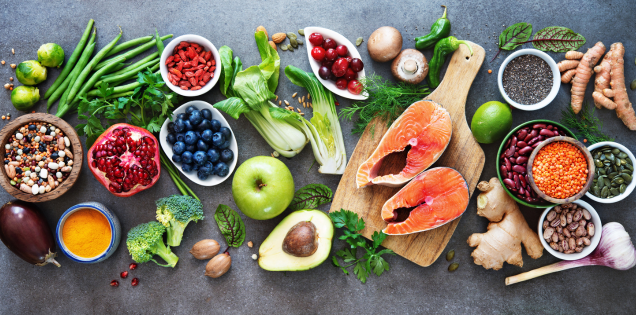
An Oncologist’s Grocery List. What the Research Says About Food and Cancer Risk.
No food causes cancer on its own. No food cures it. But dietary patterns matter and the evidence on which ones protect you is stronger than most people know. About 30 to 40 percent of all cancers are preventable through lifestyle and dietary changes alone. That number comes from peer-reviewed research. It’s a significant figure, and it doesn’t get nearly enough attention.
Cruciferous Vegetables
A study involving over 27,000 participants found that high consumption of cruciferous vegetables (broccoli, cauliflower, cabbage, Brussels sprouts, turnip greens) was associated with reduced risk of at least six cancer types, including colorectal, esophageal, and ovarian cancers.
The mechanism involves compounds called glucosinolates, which break down during digestion into biologically active substances that help the body neutralize carcinogens, reduce inflammation, and support cellular repair.
High fruit intake was associated with lower risk of seven different cancer types in the same research. The protective compounds - polyphenols, antioxidants, fiber, vitamins - work through overlapping mechanisms: reducing oxidative stress, supporting immune function, feeding a healthy gut microbiome that regulates inflammation.
Variety matters more than quantity of any single fruit. Eating a range of colors, berries, citrus, stone fruits, apples, delivers a broader spectrum of protective compounds than optimizing for one.
Consuming 30 grams of whole grains daily, roughly a serving of oats or brown rice, has been linked to approximately a 30% reduction in colorectal cancer risk. Whole grains retain their fiber, which supports gut bacteria that help clear carcinogens from the digestive tract and regulate the hormonal environment that some cancers depend on.
The American Cancer Society is clear on this: make whole grains at least half your grain intake. Most Americans fall well short of that.
Processed and red meat are the most well-documented dietary cancer risks. The International Agency for Research on Cancer classified processed meat as a Group 1 carcinogen, meaning there is sufficient evidence it causes cancer in humans, specifically colorectal cancer. Red meat is classified as Group 2A: probably carcinogenic.
This doesn’t mean never. It means regularly consuming bacon, deli meats, sausage, and large amounts of red meat meaningfully raises risk over time. The research has been consistent on this for decades.
“Individual foods matter, but dietary patterns matter even more. Protective foods are whole, minimally-processed plant foods, which provide fiber and support a healthy gut — the internal environment in which cancer either struggles or thrives.”
— Alison Tierney, MS, RD, CSO, board-certified oncology dietitian (Parade, January 2026)
Alcohol also warrants a direct mention. Even small amounts increase the risk of cancers of the mouth, throat, esophagus, liver, breast, and colon. The American Public Health Association has stated clearly: there is no safe level when it comes to cancer risk.
Cancer is multifactorial. No single food causes it. No single food prevents it. But the body of evidence is consistent enough that oncologists are making clear dietary recommendations, not hedging.
A plate that’s mostly plants, mostly whole, mostly colorful, with limited processed meat and alcohol is the dietary pattern the research supports for cancer risk reduction. It’s also the same pattern that reduces cardiovascular disease, metabolic dysfunction, and systemic inflammation. The same inputs. The same direction.
Health isn’t a destination. It’s a direction. What you put on your plate every day is one of the clearest ways to point yourself the right way.
Sources
Washington Post — As an oncologist, I recommend these foods to lower cancer risk. Dr. Mikkael A. Sekeres (February 16, 2026)
Urban Health Today — Diet and Cancer Prevention: Access is a Barrier for Vulnerable Communities
American Cancer Society — Guideline for Diet and Physical Activity for Cancer Prevention
PMC — Nutrition and Cancer: A Review of the Evidence for an Anti-Cancer Diet
Parade — The 1 Type of Food Oncology Dietitians Are Begging Everyone to Eat More Of (January 2026)
International Agency for Research on Cancer — Classifications of Processed and Red Meat