The Long Game
by NOMAD
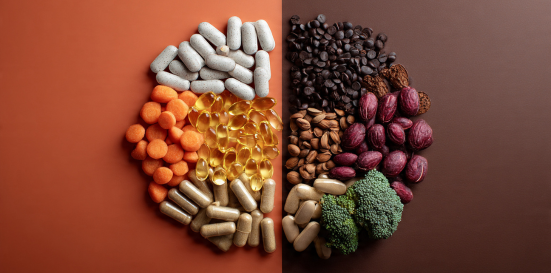
Eat Color. The Compounds in Your Food That Fight Inflammation Right Now
There’s a compound in your blueberries, your olive oil, your morning coffee, and your dark chocolate that is actively reducing inflammation in your body right now. It’s called a polyphenol. And most people have never heard of it.
Polyphenols are natural compounds found in plants, over 8,000 types of them. They give plants their color, protect them from environmental stress, and when you eat them, they do something similar for you: neutralize free radicals, calm the immune overreaction behind chronic inflammation, and feed the good bacteria in your gut.
People who consume more than 650mg of polyphenols daily have measurably lower mortality rates than those who don’t. A reanalysis of the landmark PREDIMED trial found that people hitting 750mg+ daily had a 37% lower all-cause mortality risk. These aren’t supplement numbers. They’re food numbers.
Here are the seven most impactful sources, the ones worth building your plate around.
1. Berries
The highest polyphenol density of any common fruit. Blueberries, blackberries, raspberries, strawberries, all of them. The deep pigment is the signal: the more vivid the color, the higher the anthocyanin content, which is the specific class of polyphenol responsible for much of the anti-inflammatory effect. A handful of blueberries in your morning routine is not a small decision.
2. Extra Virgin Olive Oil
The foundation of the Mediterranean diet and one of the most studied foods in longevity research. Cold-pressed extra virgin olive oil contains hydroxytyrosol and oleuropein, two phenolic compounds with documented effects on heart health, inflammation reduction, and even cognitive function in older age.
The caveat: quality matters. “Extra virgin” on a label doesn’t always mean high-phenolic. Look for cold-pressed, recently harvested, and ideally a verified polyphenol content above 250mg/kg.
3. Dark Chocolate & Cocoa
Cocoa powder contains over 3,400mg of polyphenols per 100g, one of the densest sources in existence. Dark chocolate retains a significant portion of that. Milk chocolate does not.
The flavanols in cacao have been shown to improve blood flow, support insulin sensitivity, and reduce inflammatory markers. This is not permission to eat an entire bar. It’s permission to stop feeling guilty about the good stuff!
4. Green Tea & Coffee
If you start your day with either of these, you’re already ahead. Both are significant polyphenol sources, coffee in particular is one of the primary polyphenol contributors in the Western diet, though most people are getting it from a narrow spectrum.
Green tea’s catechins have specific neuro-protective properties. Both support gut microbiome diversity. Both are anti-inflammatory. The caveat is caffeine timing, keep both earlier in the day to protect sleep, which is upstream of everything else.
5. Legumes
Beans, lentils, chickpeas. Chronically underrated, consistently present in every Blue Zone diet ever studied. High in fiber, plant protein, and resistant starch that acts as a prebiotic, feeding the beneficial bacteria that regulate your immune response and inflammatory load. One daily walnut has been shown to significantly drop C-reactive protein levels, one of the primary markers for systemic inflammation. Legumes work similarly.
6. Nuts & Seeds
Walnuts are the winner, highest polyphenol content among nuts, plus omega-3 fatty acids that directly calm inflammatory pathways at the cellular level. Flaxseeds and chia seeds add ALA, which the body converts into the same anti-inflammatory compounds found in fatty fish. A small handful daily is a great addition to your day.
7. Herbs & Spices
The most overlooked category and the easiest to add. Cloves, turmeric, cinnamon, oregano, rosemary, these have some of the highest polyphenol concentrations per gram of any food. Turmeric’s curcumin has a body of research behind it specifically for inflammation reduction. You’re not going to eat a cup of oregano. But cooking with these regularly compounds over time.
No single food fixes chronic inflammation. That’s not how biology works. But consistently eating from this list, building a plate that’s mostly plants, colorful, real whole foods — changes your inflammatory baseline over time.
The Mediterranean populations with the best longevity outcomes didn’t take polyphenol supplements. They cooked with olive oil, ate produce, drank wine in moderation, and hit polyphenol thresholds modern diets rarely approach. Not because they were trying to, but because their food was real.
“Polyphenols are simply a category of phytonutrients, which are chemical compounds in plants that provide specific health benefits. Along with other nutrients in plants, like fiber, vitamins and minerals, polyphenols can help protect your body from the root causes of many chronic illnesses.”
— Devon Peart, RD, MHSc, registered dietitian (Cleveland Clinic)
The gap isn’t knowledge. It’s the processed food taking up the space where these foods should be. Fix that, and the polyphenols follow.
Health isn’t a destination. It’s a direction. Eat color. Real food has the compounds to fight inflammation starting today.
Sources
Vogue — The 7 Best Polyphenol-Rich Foods to Fight Inflammation
Cleveland Clinic — Foods Rich in Polyphenols and Why They’re Important
WebMD — 8 Foods High in Polyphenols and Why You Need Them
ZOE — 10 Best Foods High in Polyphenols
PREDIMED Trial Reanalysis — Polyphenol Intake and All-Cause Mortality
Dr. Brighten — Foods High in Polyphenols (2025)
Learn Olive Oil — 10 Undeniable Foods That Reduce Inflammation (February 2026)