The Long Game
by NOMAD
The Two Breakfast Upgrades Backed by Science.
Most people eat their biggest meal at dinner. The science is increasingly clear that making breakfast the biggest meal of the day has measurable benefits for metabolism, blood sugar, weight, and gut health. A study published in the British Journal of Nutrition put 19 healthy adults on two different high-calorie-early diets for 28 days each. Participants ate 45% of their daily calories at breakfast, 35% at lunch, and just 20% at dinner, the inverse of how most people eat. One diet was high in protein. The other was high in fiber. Both produced improvements in blood pressure, insulin, and blood sugar levels.
The study found the fiber diet produced more weight loss, about 11 pounds versus 8.5 pounds. Something even more interesting, it significantly improved gut microbiome diversity, increasing the beneficial bacteria linked to better metabolic health.
This connects to a growing field called chrononutrition, which studies how the timing and size of meals affects health outcomes. The most consistent finding: eating your largest meal earlier aligns with the body’s circadian rhythm, the 24-hour biological clock that governs hormone levels, digestion, insulin sensitivity, and metabolism.
In the morning, the body is primed. Insulin sensitivity is higher, meaning carbohydrates are processed more efficiently and blood sugar stays steadier. By evening, metabolism slows as the body prepares for sleep. Eating a large meal late asks the body to do metabolic work it’s biologically winding down from.
A separate review in Obesity Reviews analyzed nine clinical trials involving 485 adults. People who ate most of their calories earlier in the day lost more weight and had greater improvements in blood sugar, cholesterol, and insulin sensitivity than those who ate most of their calories later.
“Eating a hearty breakfast and a relatively small dinner can promote satiety and produce other health benefits.”
— Alexandra M. Johnstone, professor and lead researcher, British Journal of Nutrition study
The Two Practical Upgrades
Make breakfast the biggest meal. This doesn’t mean eating more overall, it means redistributing. Move calories from dinner toward morning. If that’s a complete structural shift from how you currently eat, start by making breakfast meaningfully larger and dinner meaningfully smaller over a few weeks.
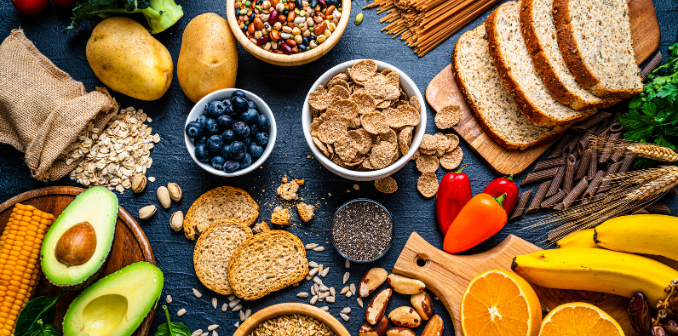
Add fiber to breakfast. Most people in developed countries fall significantly short of the recommended 25 to 38 grams of fiber per day and almost none of it comes from breakfast. Berries, oats, flaxseed, legumes, nuts, and seeds are all easy choices. A cup of oats with berries and ground flaxseed gets you closer to your goal way before 9am.
The research on fiber is also evident that protein helps. The edge in weight loss and gut health went to fiber in the study, but the protein group felt less hungry. The ideal breakfast includes both: adequate protein to promote satiety, adequate fiber to feed the microbiome and support metabolic function.
Morning is also when the body is most insulin sensitive, meaning the carbohydrates and fiber you eat are utilized more effectively. Saving processed carbohydrates and sugar for the evening is the worst-case scenario from a metabolic standpoint. It is inverse from what the body needs.
Health isn’t a destination. It’s a direction. Start the day in the right one.
Sources
Washington Post — 2 Science-Backed Ways to Improve Your Breakfast. Anahad O’Connor (March 12, 2026)
British Journal of Nutrition — High-protein vs high-fiber breakfast study
Obesity Reviews — Early calorie loading and metabolic outcomes meta-analysis (9 trials, 485 adults)
Baylor College of Medicine — Why a Balanced Breakfast Should Be Part of Your Health Goals
ScienceDaily — Scientists Reveal How Breakfast Timing May Predict How Long You Live (September 2025)