The Long Game
by NOMAD
What's in Your Cart Is in Your Arteries
The ingredient list is lying to you. The data isn’t about chips being ‘bad for you.’ It’s about a measurable, dose-dependent relationship between processed food and cardiovascular death. Two major studies landed within weeks of each other in early 2026. Both said the same thing. The more ultra-processed food you eat, the higher your risk of heart attack, stroke, and cardiovascular death. The risk doesn’t just spike at extreme levels, it climbs with every additional serving.
The first, from Florida Atlantic University and published in The American Journal of Medicine, analyzed dietary data from nearly 4,800 American adults. People in the highest intake group had a 47% greater risk of heart attack or stroke compared to those who ate the least. The association held even after accounting for age, smoking, income, and other risk factors.
The second, presented at the American College of Cardiology’s 2026 annual session and published in JACC: Advances, tracked the Multi-Ethnic Study of Atherosclerosis cohort. People consuming an average of 9.3 servings of ultra-processed food per day were 67% more likely to die from coronary heart disease or stroke, or experience a nonfatal cardiac event, compared to those eating about one serving a day.
And here’s what should be getting everyone’s attention: each additional daily serving increased the risk by 5.1%
“While 5% may not sound like a lot, remember that’s per serving. And most people eat multiple servings per day.”
— Amier Haidar, lead researcher, American College of Cardiology Annual Session 2026
Ultra-processed foods are industrially manufactured products containing added fats, sugars, starches, salt, and chemical additives (emulsifiers, preservatives, artificial flavors) that have no equivalent in a home kitchen. Sodas. Packaged snacks. Processed meats. Frozen meals. Most commercial breads, sauces, and cereals.
They currently make up nearly 60% of the average American adult’s diet. About 70% of what American children eat.
These foods drive inflammation. They spike blood sugar and insulin. They displace the fiber, micronutrients, and polyphenols that protect the cardiovascular system. They’re engineered to override satiety signals, which means most people eat more of them than they intend to. The label test is simple: if you can’t picture the ingredients in your kitchen, it’s ultra-processed.
You don’t need to be perfect. The data isn’t asking for that. It’s showing a dose-response relationship which means reducing intake at any level moves the needle.
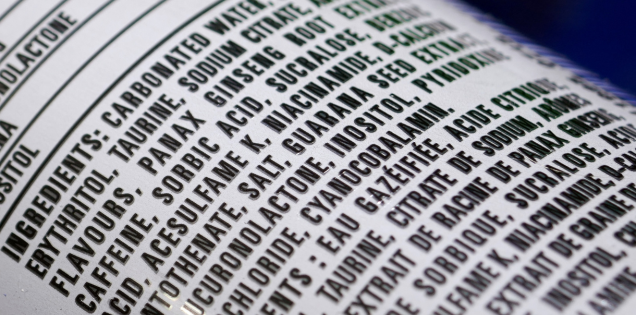
Start by reading labels. Not for calories. For ingredient lists. A short list of recognizable ingredients is the signal. A paragraph of additives is not food, it’s an industrial product wearing food’s clothing.
Swap one ultra-processed staple for a whole food equivalent this week. Not all of them. One. The research on behavior change is consistent: small, specific actions sustain longer than sweeping overhauls.
Health isn’t a destination. It’s a direction. Every serving you swap is a step.
Sources
JACC: Advances — Association Between Ultraprocessed Food Consumption and Cardiovascular Disease Risk (March 2026)
The American Journal of Medicine — Consumption of Ultra-Processed Foods and Increased Risks of Cardiovascular Disease in U.S. Adults (January 2026)
American College of Cardiology Annual Scientific Session 2026 (ACC.26)
Medscape — Ultraprocessed Foods Increase Risk of Heart Problems, Especially in Black Americans (March 2026)
PMC — Ultra-Processed Foods and Cardiovascular Diseases: Potential Mechanisms of Action